One of the most common questions people ask about Takaful is:
"What happens to my contribution after I join a Takaful program?"
Takaful operates as a cooperative risk-sharing system in which participants contribute to a common fund that is used to support eligible claims and other permitted obligations under the governing Takaful structure.
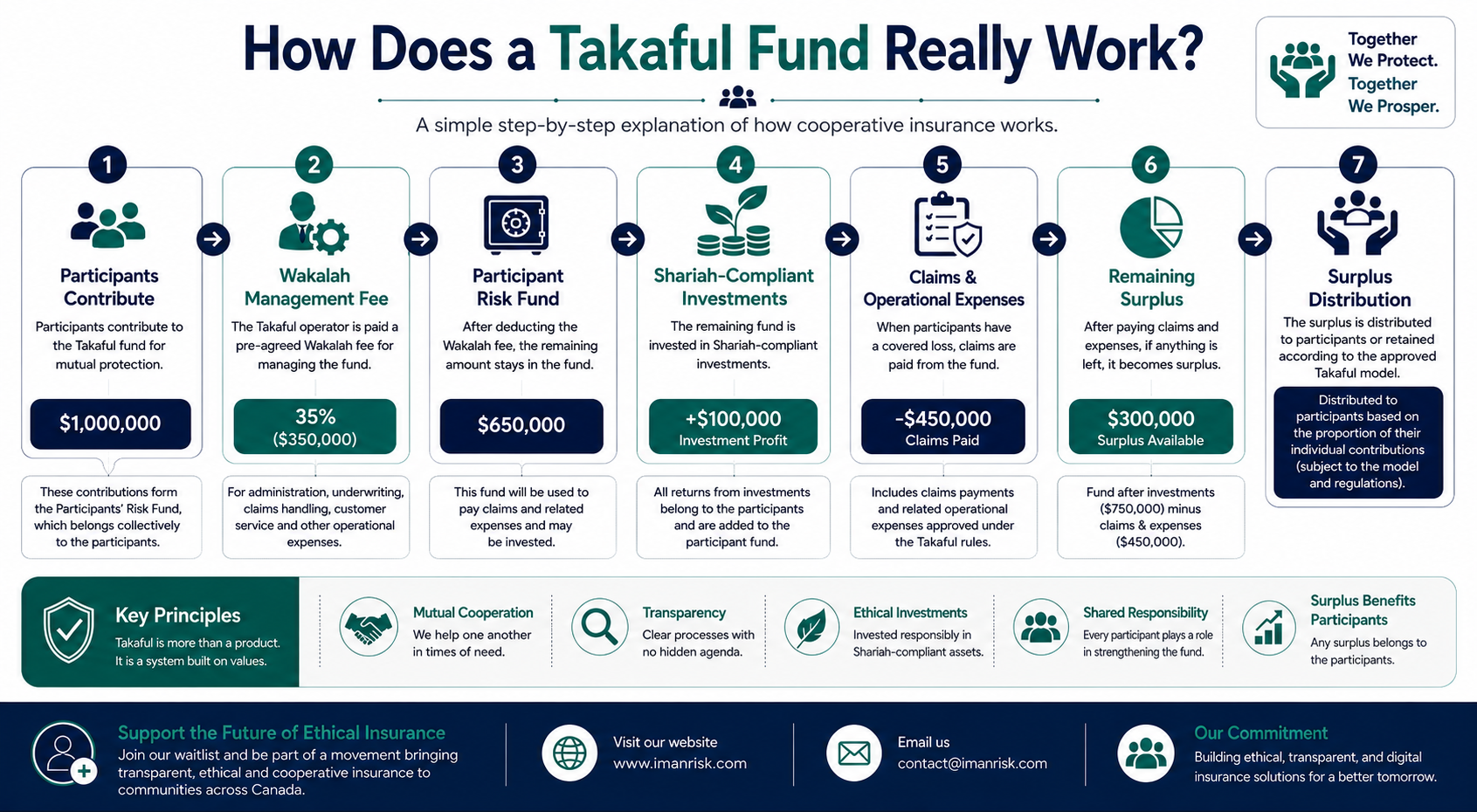
The flowchart above illustrates the journey of a participant's contribution, from the initial contribution through fund management, claims, investment activity, and the possible treatment of any remaining surplus.
Step 1 — Participants Make Their Contributions
The process begins when participants contribute to the Takaful arrangement.
A portion of these contributions is allocated to a shared risk fund designed to support participants when covered losses occur.
For illustration, suppose participants collectively contribute:
$1,000,000
The precise allocation of contributions depends on the Takaful operating model, applicable contractual terms, regulatory requirements, and the approved governance framework.
Step 2 — The Wakalah Management Fee
Managing a Takaful operation requires professional administration, technology, underwriting support, customer service, claims management, regulatory compliance, reporting, governance, and other operational activities.
Under a Wakalah-based model, the Takaful operator may receive a predefined management fee known as the Wakalah fee.
For example, if the agreed Wakalah fee is 35%, the operator would receive:
$350,000
The fee structure should be clearly disclosed and defined within the applicable contractual and governance framework.
Step 3 — The Participants' Risk Fund
After the applicable operator fee and other permitted allocations are accounted for, the remaining amount is allocated according to the Takaful structure.
In this simplified illustration:
- Total participant contributions: $1,000,000
- Illustrative Wakalah fee: $350,000
- Illustrative amount remaining for the participant risk fund: $650,000
The participant risk fund is intended to support eligible claims, reserves, and other permitted fund obligations.
Its treatment, ownership, governance, and permitted uses depend on the specific Takaful model, legal framework, and contractual arrangements.
Step 4 — Shariah-Compliant Investment
Amounts held within a Takaful fund may be invested, subject to the governing investment policy, regulatory requirements, liquidity needs, risk-management standards, and Shariah governance.
Where a Takaful arrangement is represented as Shariah-compliant, investment activity is generally expected to avoid prohibited sectors and structures, including activities associated with interest-based finance, gambling, alcohol, and other non-compliant industries.
Suppose the fund generates an additional:
$100,000 in investment income
In this simplified example, the fund would increase from $650,000 to:
$750,000
Step 5 — Claims and Permitted Fund Expenses
When participants experience covered losses, eligible claims may be paid from the Participants' Risk Fund according to the terms and conditions of the applicable coverage.
Claims handling remains subject to normal insurance disciplines, including policy wording, eligibility, limits, deductibles, exclusions, documentation, investigation, and applicable regulatory requirements.
Suppose eligible claims and other permitted fund expenses total:
$450,000
These payments reflect the central cooperative purpose of the Takaful risk-sharing arrangement: the pooled fund is used to support participants when covered losses occur.
Step 6 — Calculating the Remaining Fund Balance
After claims, reserves, permitted expenses, and other fund obligations are taken into account, the remaining balance may represent a surplus, depending on the applicable Takaful structure.
Using the simplified example:
- Fund after illustrative investment income: $750,000
- Illustrative claims and permitted expenses: $450,000
- Illustrative remaining balance: $300,000
A positive remaining balance does not automatically mean that the entire amount is immediately distributable.
Reserving requirements, solvency considerations, future claims obligations, regulatory requirements, governance decisions, and the specific Takaful contract may all affect how the remaining balance is treated.
Step 7 — Treatment of Takaful Surplus
One of the important features of Takaful fund management is the treatment of any surplus remaining after the fund's obligations have been properly addressed.
The surplus is generally associated with the Participants' Risk Fund rather than automatically becoming unrestricted profit of the Takaful operator.
Depending on the specific Takaful model, contractual provisions, regulatory requirements, actuarial assessment, reserve needs, and governance approvals, a surplus may:
- Remain within the participant risk fund to strengthen future financial stability;
- Be distributed to eligible participants according to an approved methodology;
- Be shared according to the contractual Takaful model;
- Be used to strengthen reserves or meet other permitted fund obligations.
The exact treatment of surplus should therefore be defined transparently in the governing documents of the Takaful arrangement.
What Happens if the Fund Has a Deficit?
A Takaful fund does not always produce a surplus.
If claims and other obligations exceed the available assets of the participant risk fund, the arrangement must have a defined mechanism for managing the deficit.
Depending on the operating model and applicable legal framework, this may involve additional reserves, re-Takaful or reinsurance arrangements, financing mechanisms such as Qard Hasan, or other approved risk-management measures.
The treatment of deficits is an important part of responsible Takaful governance and should be clearly documented before participants enter the arrangement.
Transparency and Fund Governance
Transparency is one of the most important principles in a well-designed Takaful arrangement.
Participants should be able to understand the major components of the structure, including:
- How contributions are calculated;
- How much is allocated to the risk fund;
- What fees the operator receives;
- How eligible claims are paid;
- How reserves are established;
- How investments are managed;
- How any surplus or deficit is treated;
- What governance and oversight mechanisms apply.
Clear disclosure helps reinforce accountability, confidence, and informed participation.
The Role of Shariah Governance
Where a Takaful arrangement is represented as Shariah-compliant, Shariah governance plays an important role in reviewing the structure and ongoing operation of the model.
This may include oversight of:
- Participant contribution structures;
- Tabarru' arrangements;
- Operator remuneration;
- Investment activities;
- Surplus treatment;
- Deficit management;
- Contract wording;
- Operational practices relevant to Shariah compliance.
The exact governance structure depends on the jurisdiction, product design, operating model, and institutional framework.
The Role of Technology in Modern Takaful
Modern Takaful operations require accurate record-keeping, secure data management, underwriting workflows, contribution tracking, claims administration, fund accounting, investment monitoring, broker collaboration, regulatory reporting, and participant communication.
Digital platforms can help make these processes more efficient, transparent, and accessible.
Technology can also support participants and intermediaries by providing clearer visibility into:
- Applications and quote requests;
- Coverage information;
- Contribution breakdowns;
- Policy documentation;
- Claims status;
- Broker interactions;
- Relevant disclosures and communications.
Iman Risk Solutions' Approach
At Iman Risk Solutions Inc., we are developing digital-first infrastructure intended to support transparent, ethical, and Takaful-aligned insurance distribution in Canada.
Our objective is to combine modern digital workflows with clear governance, customer education, broker-enabled distribution, insurer partnerships, and responsible regulatory preparation.
Iman Risk Solutions Inc. is currently in a pre-launch and development stage and is not currently offering, selling, binding, or underwriting insurance products.
Any future Takaful offering would remain subject to appropriate insurer capacity, licensing, product approval, underwriting arrangements, regulatory requirements, and governance.
Key Takeaway
Takaful fund management is more than simply collecting contributions and paying claims.
It involves a structured system of participant contributions, operator administration, risk-fund management, claims, reserves, investment, surplus or deficit treatment, governance, and transparency.
Understanding these components helps participants, brokers, insurers, and other stakeholders better understand how a modern Takaful arrangement can operate in practice.
To continue learning, explore our Takaful Knowledge Hub, our What Is Takaful? guide, and our How Takaful Works resource.
Continue Learning
Explore related Iman Risk Solutions pillar pages and structured resources.
Takaful in Canada Start with the principal Canadian guide to Takaful, governance, contributions, and regulation. Takaful Resources Browse structured learning paths covering Takaful fundamentals, funds, governance, and distribution. Islamic Insurance Canada Explore Islamic insurance terminology, Shariah governance, and the Canadian context. Takaful for Brokers Canada Learn about future broker distribution, training, compliance, and digital workflows.Discussion
No comments yet. Be the first to share your perspective.
Join the Conversation
Related Articles
What is Takaful? A Complete Guide for Canadian Muslims (2026)
Discover how Takaful (Islamic cooperative insurance) works, why it's Shariah-compliant, and when it will be available in Canada. …
Introducing Iman AI: Smarter Guidance, Qualification, and Digital Engagement on the Iman Risk Solutions Platform
Iman Risk Solutions has introduced new AI-powered features designed to make our digital platform more interactive, informative, and …
Comment fonctionne une soumission Takaful ? Transparence, équité et clarté à chaque étape
Une soumission Takaful ne devrait pas se limiter à afficher un montant total. Découvrez comment une soumission transparente …
How Takaful Quotes Work: Transparency, Fairness, and No Hidden Fees
Discover how Takaful insurance quotes are built differently — with full transparency, cooperative principles, and no hidden costs. …
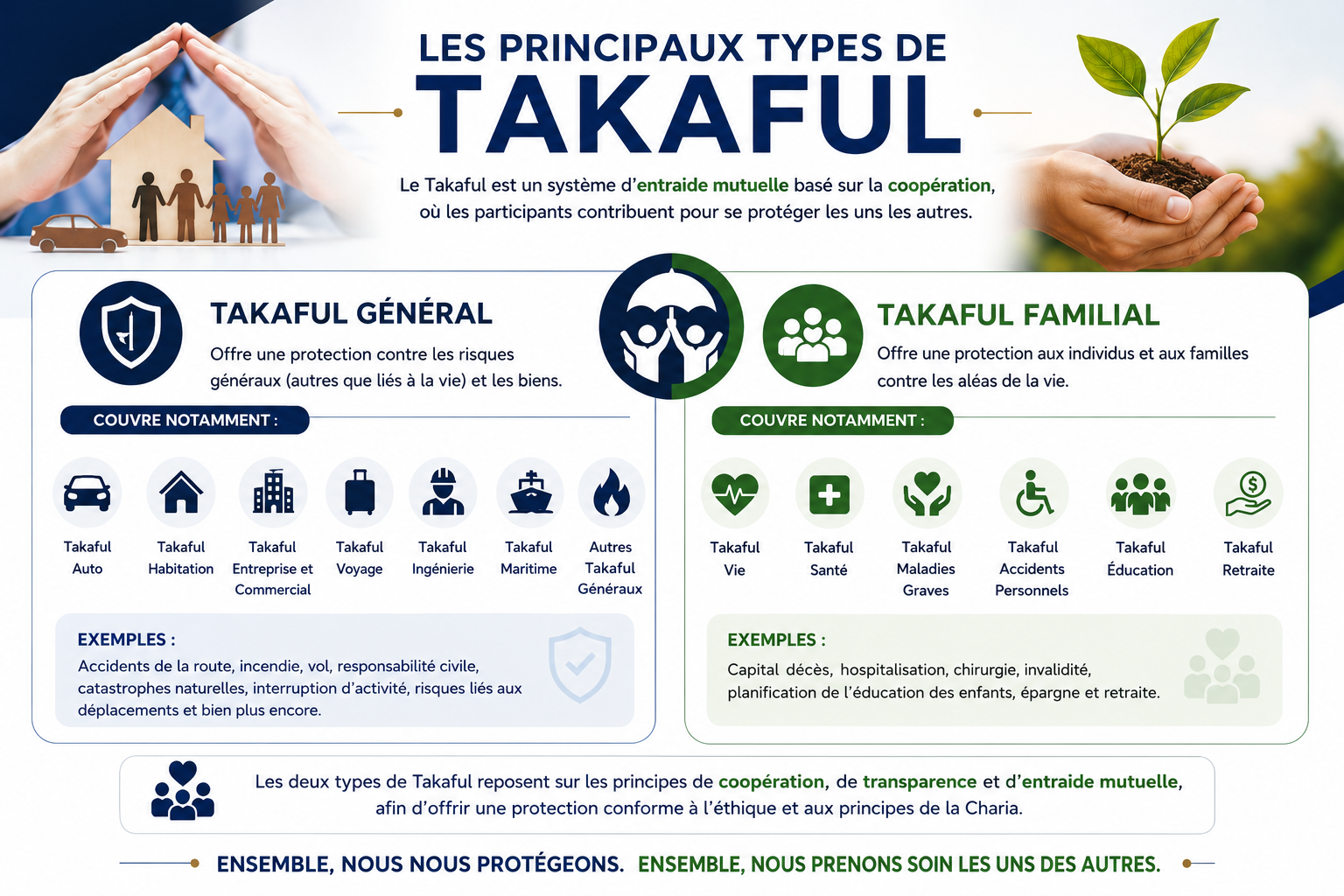
Les principaux types de Takaful : comprendre le Takaful Général et le Takaful Familial
Saviez-vous que le Takaful se divise en deux grandes catégories ? Découvrez les différences entre le Takaful Général …
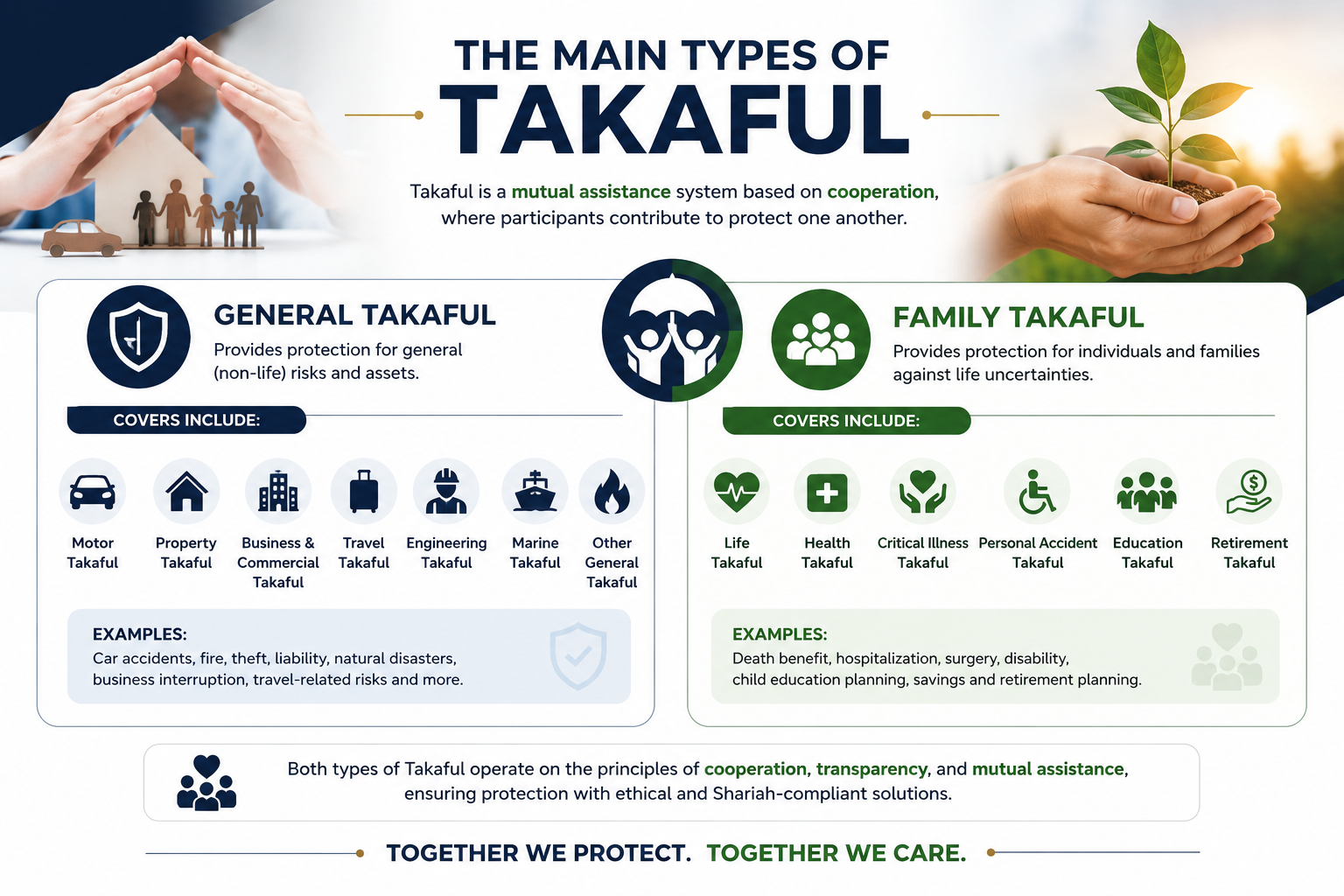
The Main Types of Takaful: Understanding General Takaful and Family Takaful
Did you know that Takaful is divided into two main categories? Learn the difference between General Takaful and …